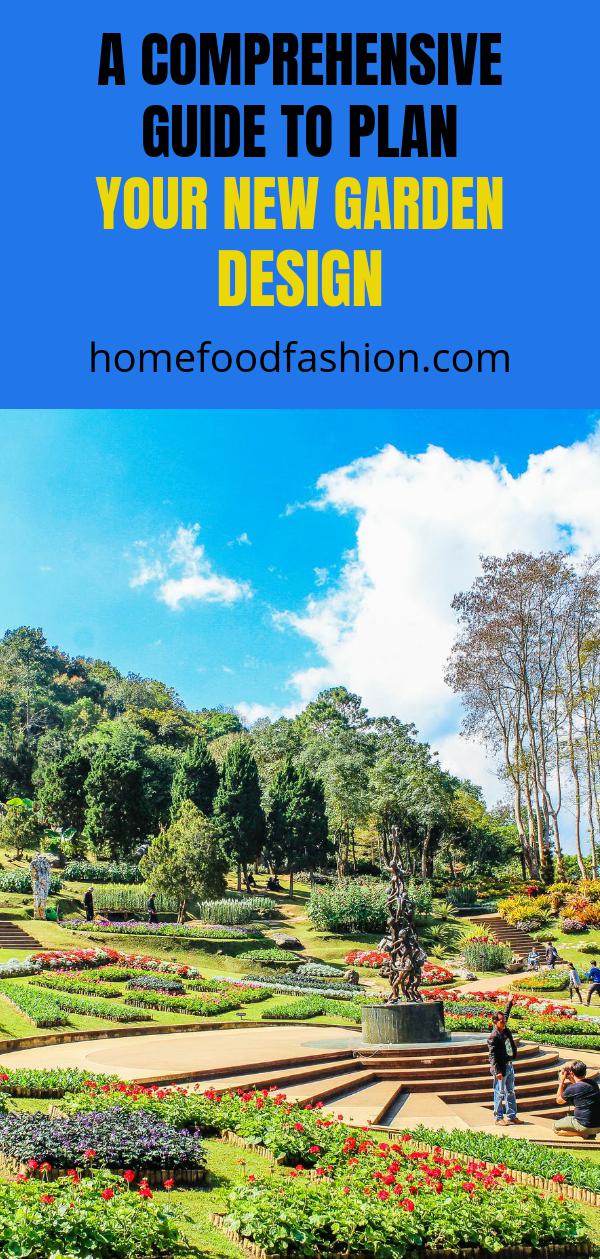
Your garden is a popular space to decorate and beautify. Garden design involves a number of considerations for space, perspective, color, and detail. These are things that need to be considered when you begin a new design for your outdoor space.
Space. The size of your garden will have a great effect on your overall appearance. Space is something that needs to be carefully thought about and established prior to beginning your garden design. Having a large lawn or an open space to set up a deck, or even an overhang with enough space to put patio furniture or a bar can add a lot of interest to a space.

Color. The color of your garden can be something that attracts visitors. Choosing a primary color for your garden will allow you to fill up your space and add more interest and creativity. The shade and lightness of a primary color will match your color scheme. Make sure to use primary colors that can be complemented with accent colors such as green or brown.
Perspective. Your garden should be well-positioned from all angles to draw attention to certain elements. For example, a garden with tree branches on the sides can provide natural highlights that will help you highlight particular areas of your garden. Other creative uses of landscape elements include planting bushes, trees, and flowers on steep slopes to highlight them from below.
Finish. Deciding on the finish you want your garden to have can be a challenge. Do you want the garden to be filled with color, or do you want it to be clean and simple? You can also make your garden more artistic by using the finishes such as concrete, stone, or marble. Many of these materials can add a touch of class to your garden and add some charm and interest to your property.
Details. Plants and shrubs can add a lot of interest to your garden. Foliage details such as climbing vines, hanging mosses, and cactus can all be used to bring life to a garden.
Plants and shrubs that grow naturally in a garden may also provide a type of added benefit. Using plants such as wildflowers, houseplants, or succulents can provide you with some surprises and give your garden a variety of textures.
Materials. Choose plants and shrubs that can be made into intricate designs or are free-standing. Remember that plants that are designed with features such as foliage or climbing vines will require more maintenance than the plants that are grown in their natural state.
Decorative features and accessories. Adding a pond, fountains, benches, or water feature can make your garden more inviting. You can add these to your garden design by buying them ready-made or learning how to create your own.

Your landscape should also be planned for the type of traffic you expect to receive. A few main roads or driveways will require different features such as hanging plants that can grow over a fence. If you expect to have a fair amount of traffic on your driveways and the main roads, you may want to consider a walkway or a path to help diffuse the noise.
Garden design can be fun and exciting for the entire family. The details that are added can be added as you go along to add character and interest to your garden. After you have finished your garden design, give it some time to be explored before you plant the seeds.